

Psychological First Aider
This course equips participants with the knowledge and skills to provide compassionate, evidence-informed support to individuals in crisis or distress. It emphasizes stabilization, active listening, assessment of needs, and connecting affected persons with ongoing resources.
“This program prepares adults to provide basic psychological first aid as supportive peers, not as clinicians.”
-
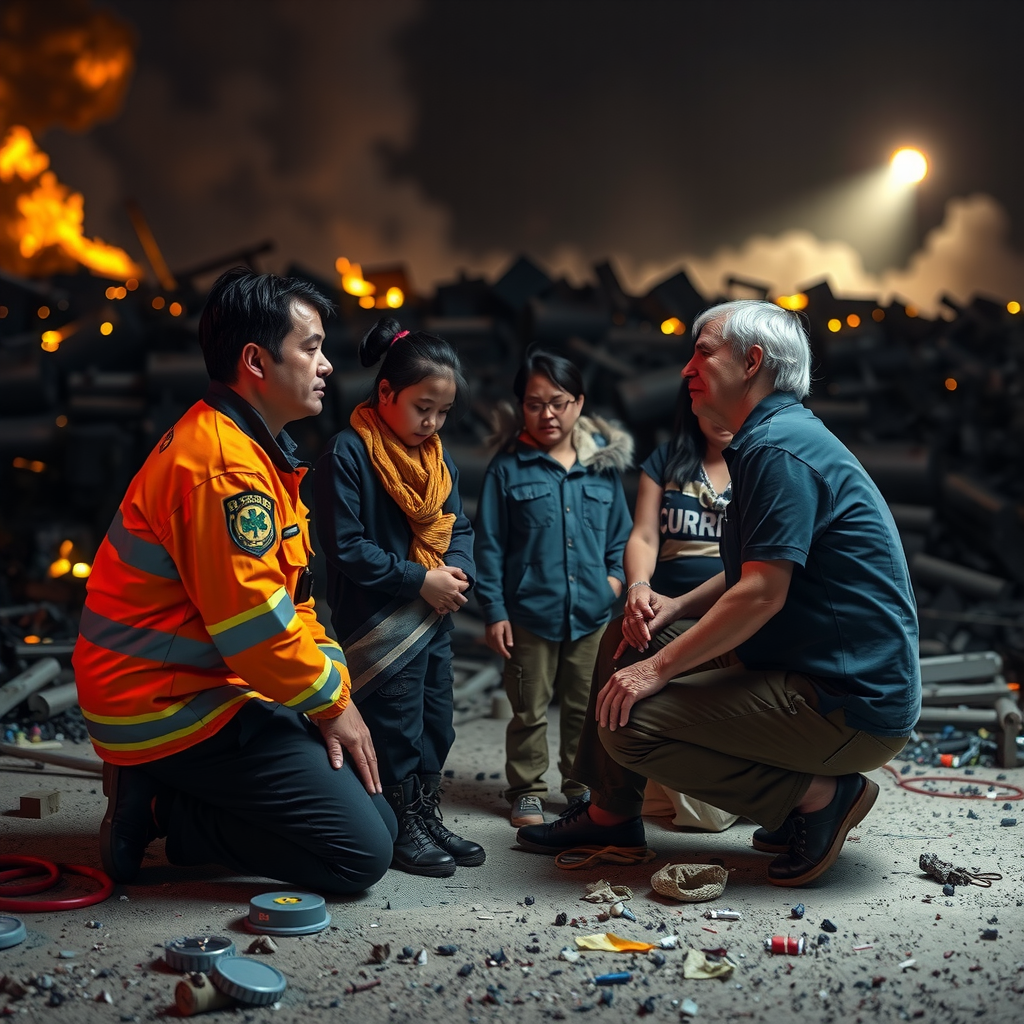
Grounding in the moment: Participants learn techniques to help individuals regain a sense of safety and calm, reducing overwhelming emotions and restoring a baseline of stability.
-
Creating a safe environment: Emphasis is placed on physical and psychological safety — ensuring surroundings are supportive, non-threatening, and conducive to recovery.
-
Immediate relief strategies: Practical tools such as breathing exercises, gentle reassurance, and structured guidance are introduced to help de-escalate acute distress.
-
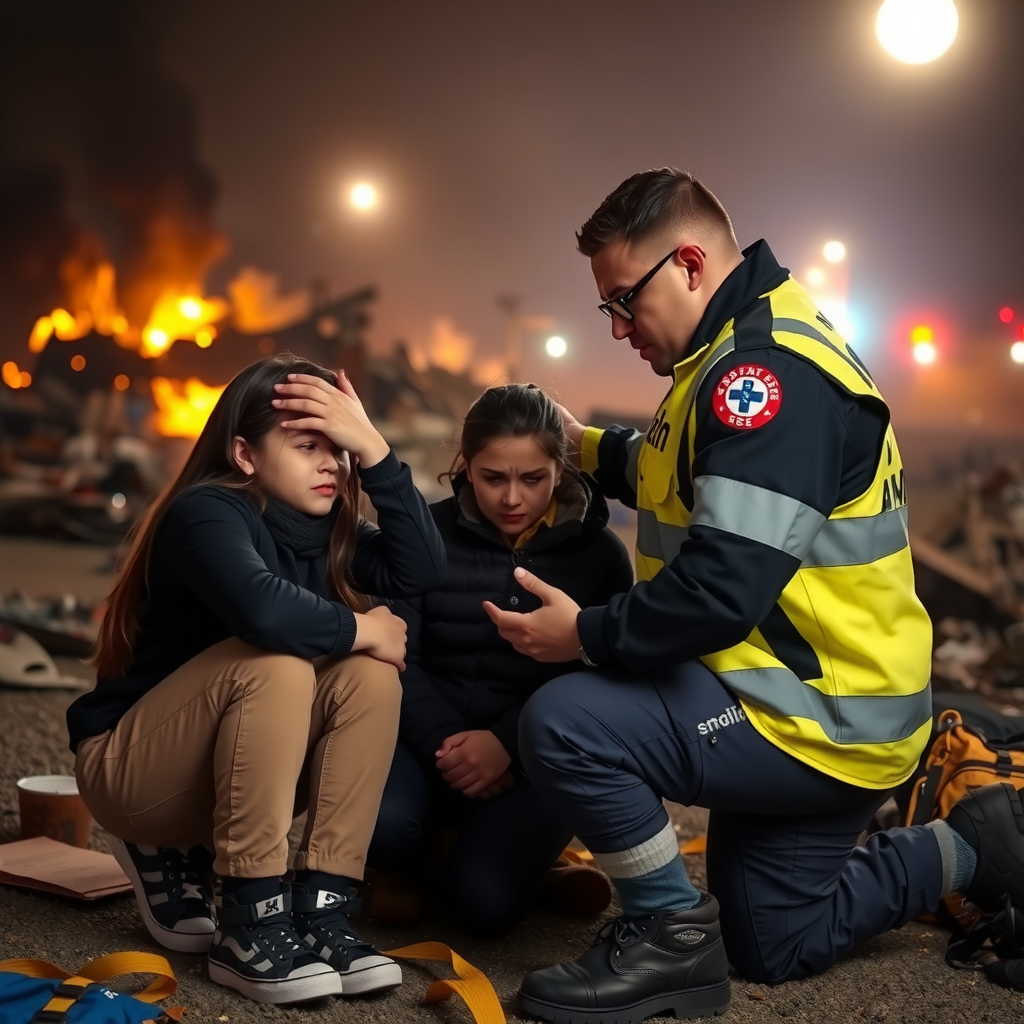
Empathetic communication: Training focuses on listening without judgment, validating emotions, and reflecting back understanding to build trust.
-
Identifying core needs: Participants practice discerning between immediate, short-term needs (e.g., shelter, medical care) and longer-term psychosocial support.
-
Cultural and contextual sensitivity: Learners are guided to recognize diverse backgrounds, values, and experiences, ensuring responses are respectful and inclusive.

-
Bridging to professional care: The course equips participants to connect individuals with mental health professionals, medical services, or community organizations.
-
Sustaining support networks: Emphasis is placed on linking affected persons to family, peers, and social groups that can provide ongoing encouragement.
-
Empowering resilience: Rather than fostering dependency, participants learn to encourage self-efficacy, helping individuals access tools and pathways for long-term recovery.

Accredited by the CTAA
“This program is accredited by the CTAA as an industry‑recognised professional development course. Graduates may describe themselves as Psychological First Aiders in a peer‑support capacity.”